Done-for-you service
Instagram ad agency services: Reels, Story and feed ads, done for you
An Instagram ad agency makes creative that fits each placement and, depending on the deal, runs the campaigns too. This page covers what to buy, how each placement changes the creative, what niche fit means for ecommerce and automotive, and how to compare agencies on proof and price before you book a call.
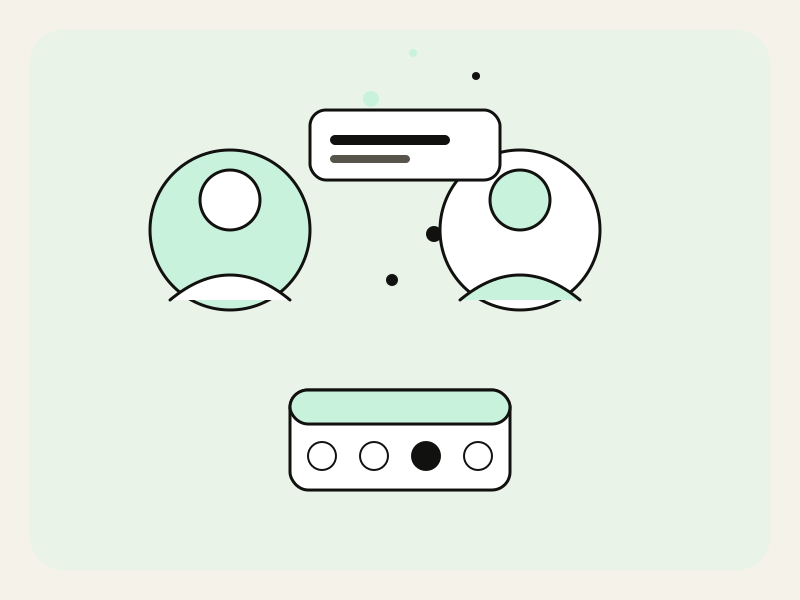
How an Instagram ad engagement works
- A call about your product, audience, current ads and goal. You can book a call any time.
- A scope: creative only, or creative plus campaign management, with formats and volume agreed in writing.
- Production of Reels, Stories and feed assets built for each placement.
- Launch and review. Results are read against your goal and the next batch is planned.
What do ad agencies on Instagram deliver?
Everything on this page describes how a done-for-you project usually runs. Scope, turnaround, deliverables and pricing are agreed on the call, and nothing here is a fixed offer or a guarantee.
Instagram ad agencies usually sell creative production, media buying, or both. Know which one you are paying for. Creative production covers Reels, Story frames, feed images and carousels, with captions and hooks. Media buying covers account setup, budgets, audiences, testing and reporting.
A creative-only partner suits teams that already have a media buyer. A full-service agency suits founders who don't want to run Ads Manager themselves. Scope gets agreed on the call.
Ask what you will see each week: spend, cost per result, which creative led and what changes next. A weekly note is worth more than a dashboard login.
How do Instagram placements change the creative?
Reels reward sound, motion and a hook in the first second. Stories are full-screen, with tap targets and safe zones at the top and bottom. Feed ads use 4:5 images or video, and the caption carries more of the load. Each placement needs its own cut of a concept, because a resize won't do it. Collab and partnership ads let a brand run ads from a creator's account, which suits creator-led concepts.
The Reels ad specs and Facebook ad sizes list the margins and ratios.
What does niche fit mean for ecommerce and automotive?
An ecommerce Instagram ad agency should know catalog ads, creator content, product demos, drops and promo calendars. An automotive Instagram ad agency does different work: inventory ads, test-drive lead forms, local radius targeting, dealership and manufacturer brand rules, and financing offers that can trigger Meta's credit special ad category.
Ask any agency how they handle the rules and formats in your niche, and ask to see relevant work they can share.
How do you compare the best Instagram ad agencies?
Compare on proof, niche fit and price. Proof means work in your category shown with context, plus references you can call. Be wary of guaranteed returns. Niche fit means they know your buyer and your rules. On price, check the model (retainer, per-asset or percentage of spend), what is included and the minimum term. Ask what happens when the contract ends and who owns the assets.
If you only need creator content, weigh the agency options for purchasing UGC: marketplaces, freelancers and UGC agencies. Check the usage rights with each. Our UGC content agency page lists the questions to ask.
Red flags: guaranteed returns, no access to your own ad account, long lock-in with no exit, and no named person doing the work.
Agency, freelancer or AI tools for Instagram ads?
Hire freelancers for a few strong assets, an agency for ongoing volume and strategy, and use tools if you want to build in house. The free Instagram ad generator and Instagram ad template cover copy and layout, and the AI Ad-Making Kit teaches Reels-style AI video. Pricing for a managed engagement is set after a short call.
Frequently asked questions
What do Instagram ad agency services cost?
It depends on formats, volume and whether media buying is included. Pricing is set after a short call.
Do you run the ads or only make them?
Creative production is the core. Whether campaign management is included gets decided in scoping.
How do I pick an agency for my niche?
Ask for relevant work they can share, how they handle your niche's rules and what the price includes. Avoid anyone who guarantees results.
Can I make Instagram ads myself first?
Yes. Start with the free tools and the kit, and bring in an agency when volume or time becomes the limit.
Keep going: UGC Content Agency, Ad Creative Service, Facebook Ads for Nonprofits, all services, the AI Ad-Making Kit, and ad case studies.
Talk it through in 30 minutes
Tell us what you sell and where you advertise. We will tell you plainly whether done-for-you or the self-serve kit fits.